It is the first question almost every manufacturer asks: how much will product liability insurance cost? The honest answer is that there is no flat rate. Two companies making similar products can pay very different premiums depending on their sales, their claims history, what they make, and how they manage risk.
Rather than quote a number that would mislead you, this guide explains exactly what underwriters look at when they price product liability coverage for manufacturers in 2026, and the concrete steps you can take to bring your premium down.
Why There Is No Single Price
Product liability is priced by risk, not by a fixed menu. An underwriter is trying to estimate how likely your product is to cause injury or damage, and how expensive a claim would be if it happened. Everything that affects that estimate affects your premium.
A low-hazard product made by an experienced manufacturer with clean claims history and strong quality controls will sit at the affordable end of the range. A high-hazard product sold in large volumes, with thin documentation and prior claims, will sit much higher. The premium reflects where your operation falls along that spectrum.
The Main Rating Factors
Here are the factors that most influence what a manufacturer pays for product liability coverage.
Product Type and Injury Potential
The single biggest driver is what you actually make. Underwriters group products by hazard. Something ingested, worn against the skin, used by children, or involved in a safety-critical application carries far more injury potential than a low-risk decorative item.
- Higher-hazard examples: food, beverages, supplements, cosmetics, children's products, automotive parts, medical-adjacent goods, anything load-bearing or electrical.
- Lower-hazard examples: many home goods, non-contact decor, certain industrial components with limited end-user exposure.
The greater the potential for serious harm, the higher the rate.
Annual Sales or Receipts
Product liability is typically rated on your gross sales or receipts, because more product in the market means more chances for a claim. As your revenue grows, your exposure base grows with it. This is why premiums often rise alongside sales even when nothing else about your operation changes.
Domestic vs. Export Sales
Where your product ends up matters. Sales into certain international markets, and especially exports into jurisdictions known for large product verdicts, can increase cost or require specific policy wording. Manufacturers who sell purely domestically generally face a simpler, more predictable rating picture than those shipping worldwide.
Quality Assurance and Testing
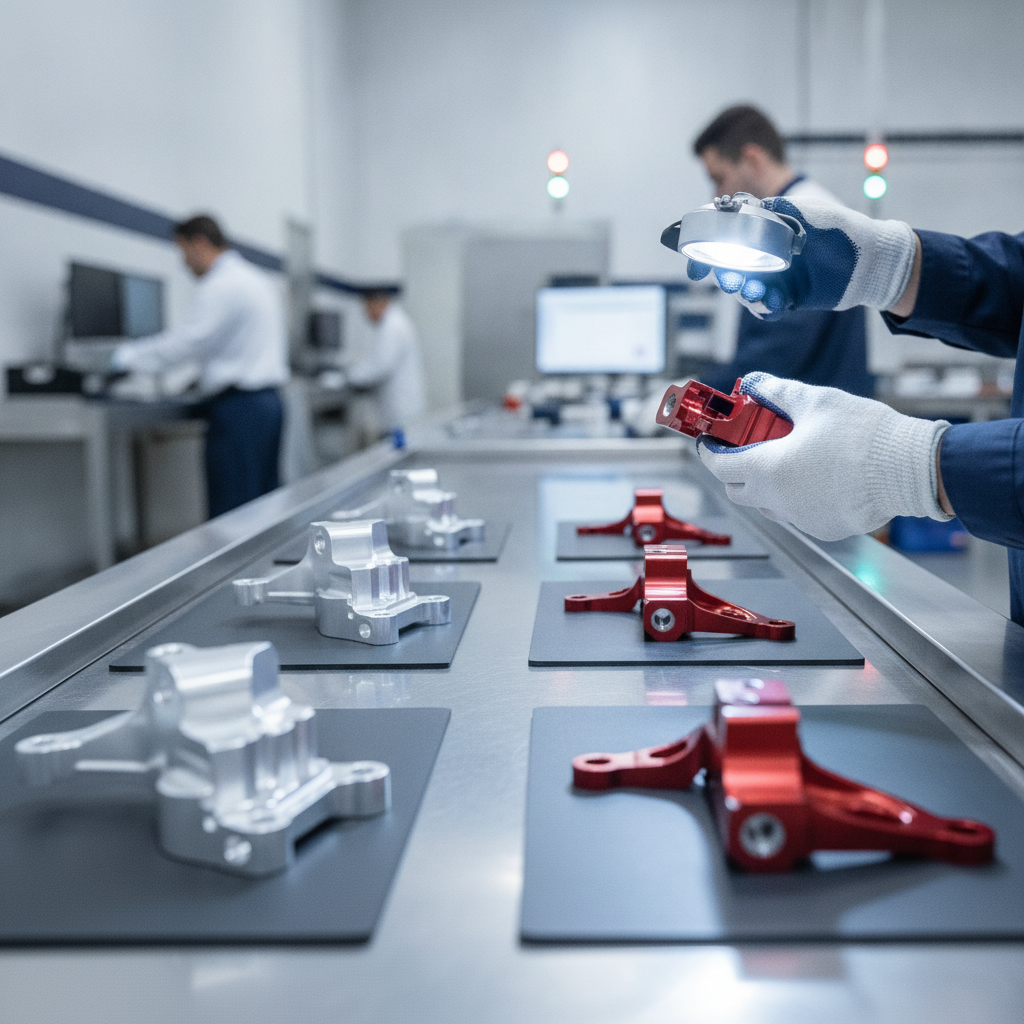
Underwriters reward manufacturers who can prove they manage product risk. Documented quality control, batch testing, third-party certifications, traceability, and a formal corrective-action process all signal a lower likelihood of a defect reaching a customer. A shop that can show this evidence is far easier to underwrite than one that cannot.
Claims and Loss History
Your track record follows you. Prior product claims, lawsuits, or recalls raise your perceived risk and your premium. A clean history over several years works in your favor and is one of the most valuable assets a manufacturer can bring to a renewal.
Limits, Deductibles, and Structure
The limits you choose, your deductible or self-insured retention, and whether product liability is packaged with general liability all shape the final number. Higher limits cost more, but they are often required by your customers. A higher deductible usually lowers premium because you are absorbing more of the smaller losses yourself.
How to Lower Your Premium
The good news is that several of these factors are within your control. Here are practical ways manufacturers reduce what they pay.
Document Your Quality Assurance
Do not just have good processes; prove them. Keep written QA procedures, testing records, supplier specifications, and inspection logs ready for underwriting. The more clearly you can demonstrate control, the stronger your case for a better rate.
Use Clear Warning Labels and Instructions
Many product claims involve a failure-to-warn allegation. Clear, compliant labeling, usage instructions, and safety warnings reduce both the likelihood and the severity of a claim, and underwriters take notice of manufacturers who take labeling seriously.
Transfer Risk to Suppliers and Vendors
If you source components or ingredients, your contracts can require suppliers to carry their own liability insurance, name you as an additional insured, and indemnify you for defects in their materials. Pushing risk back upstream where it belongs can meaningfully improve your own risk profile.
Consider a Higher Deductible
If your cash position allows it, accepting a higher deductible shifts smaller claims off the carrier and typically lowers your premium. This works best for stable manufacturers with healthy reserves and infrequent small claims.
Bundle and Right-Size Your Program
Packaging product liability with general liability and other coverages often earns better pricing than buying everything separately. At the same time, make sure your limits match what your contracts actually require, so you are neither underinsured nor paying for limits you do not need.
Keep a Clean Loss History
Strong risk management, prompt corrective action, and careful handling of any incident all help protect the clean record that keeps your renewals affordable. The fewer claims you generate, the better your long-term cost outlook.
Getting an Accurate Number for Your Business
Because pricing depends so heavily on your specific product, sales, and risk controls, the only way to know what product liability insurance will cost your business is to get it quoted against your real details. General ranges can point you in the right direction, but they cannot replace a quote built around your actual operation.
American Made Insurance, a division of Contractors Choice Agency, has helped American manufacturers find competitive product liability coverage since 2005. We are licensed in all 50 states and work with A.M. Best A+ rated carriers, and we know how to present your quality controls and risk management in the best possible light during underwriting.
To get an accurate quote for your product and learn how to lower your premium, call us at 844-967-5247 or request a quote online today.